From Pea Plants to Eye Color: Evolution of Genetic Understanding
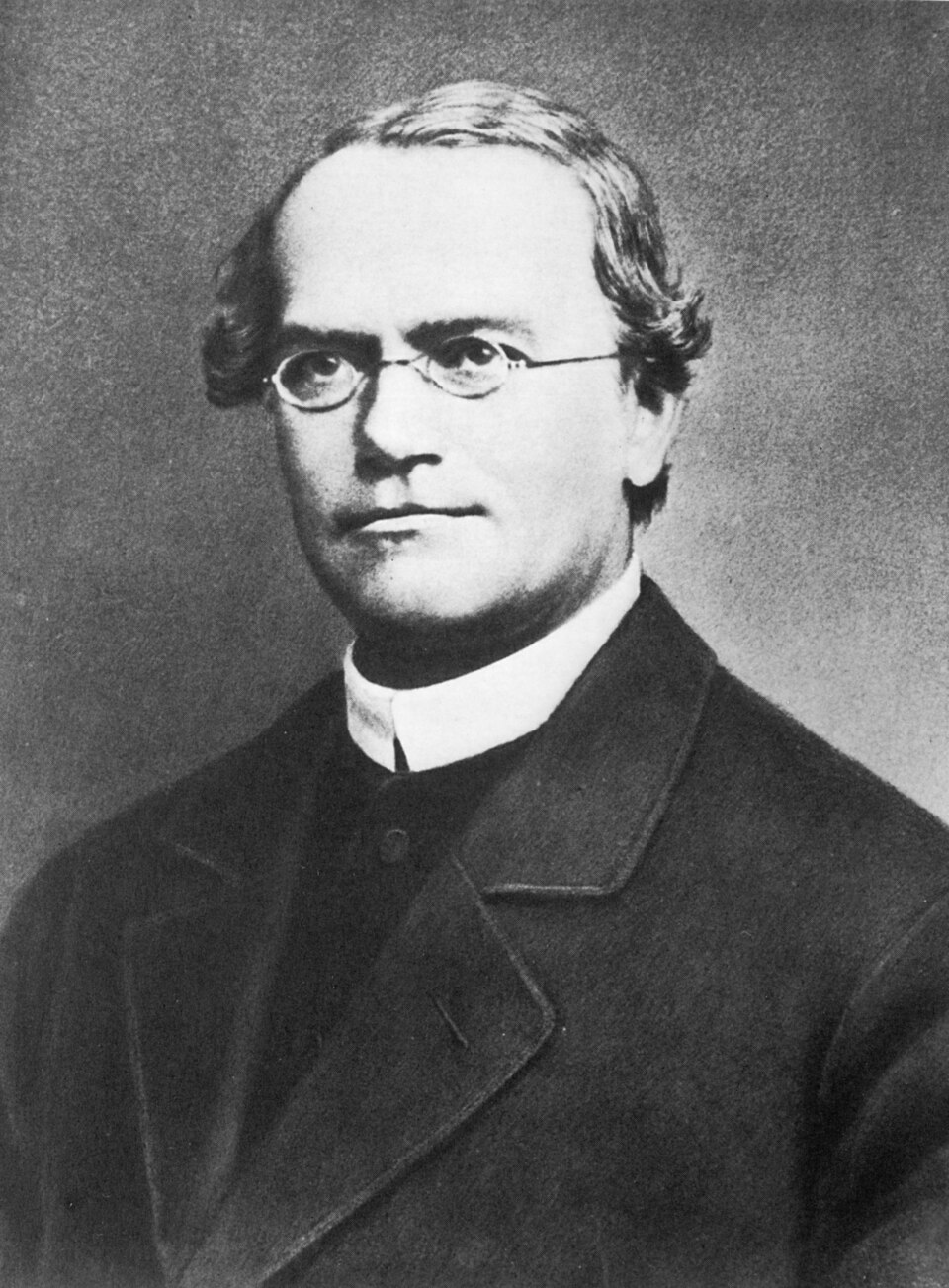
The intricate tapestry of life, woven from strands of inherited information, has captivated thinkers for centuries. How do traits pass from one generation to the next? Why do some characteristics appear, vanish, and then reappear? The answers to these fundamental questions began to unfold not in a high-tech laboratory, but in a humble monastery garden, thanks to the meticulous work of a single monk. His name was Gregor Mendel, a figure universally acknowledged as the **Vader Van De Genetica** – the Father of Genetics.
Mendel's groundbreaking discoveries laid the bedrock for our understanding of heredity, paving the way for everything from advanced agricultural breeding to unraveling the complex genetics that determine your baby's eye color. This journey from simple pea plants to the vast complexities of the human genome is a testament to scientific curiosity and the enduring power of observation.
The Revolutionary Work of Gregor Mendel: Vader Van De Genetica
In the mid-19th century, while the concept of "genes" was still centuries away from being defined, Gregor Mendel, an Augustinian friar, embarked on a series of experiments that would forever change the course of biology. Working tirelessly in his monastery garden, Mendel dedicated himself to studying the inheritance patterns of pea plants. His methodical approach involved cultivating and cross-pollinating an astounding 29,000 pea plants over many years.
By carefully controlling which plants bred with which, he was able to track specific traits – such as seed shape, pod color, and flower position – across multiple generations. This rigorous data collection allowed him to identify profound mathematical regularities in how these traits were passed down. He observed that certain traits were consistently expressed, while others seemed to skip a generation, only to resurface later.
Mendel’s observations led him to propose what are now known as the "laws of heredity" or "Mendel's Laws." These principles described how characteristics are inherited as discrete units (which we now call genes or alleles) and how these units segregate and assort independently during reproduction. His insights into dominance and recessiveness provided the first coherent explanation for why traits sometimes disappear and reappear.
The significance of Mendel's work cannot be overstated. Even without knowledge of DNA or chromosomes, his laws provided a framework that enabled scientists and breeders to consciously cultivate desired traits in plants and animals. This has had, and continues to have, an immense impact on agriculture and livestock breeding, optimizing yields and improving characteristics. It's truly remarkable that more than a century and a half later, Mendel’s laws are still taught in schools worldwide, serving as the foundational principles of genetics. To delve deeper into his monumental contributions, read about
Mendel's Enduring Legacy: Father of Genetics & Heredity.
Unraveling the Blueprint: How Baby Genetics Work
Fast forward to today, and our understanding of genetics has expanded exponentially. We now know that the inheritance of traits, from a baby's height to the texture of their hair, is governed by a complex interplay of genetic and environmental factors. When expectant parents ponder what their child will look like, they're essentially asking about the manifestation of their baby's unique genetic blueprint.
The interaction between an individual's genetic makeup and their environment can be summarized by the formula:
**Phenotype = Genotype + Environment + (Genotype x Environment)**
Let's break this down:
* **Phenotype**: This refers to all the observable characteristics of an individual, such as their physical appearance (eye color, height), personality traits, and even susceptibility to certain diseases.
* **Genotype**: This is the complete set of genes an individual possesses – their unique genetic code inherited from their parents.
* **Environment**: This encompasses all external factors that influence an individual throughout their life, from nutrition and lifestyle to cultural experiences and exposure to toxins.
* **(Genotype x Environment)**: This crucial term highlights the interaction between genes and the environment. It means that the effect of a particular gene might depend on the environment, and vice-versa.
While the environment can profoundly influence many aspects of a baby's development, it's important to understand its limitations. For instance, the environment cannot *change* the fundamental genetic code for certain physical traits. If a baby's genotype dictates green eyes, those eyes will be green whether the child is born in the Arctic or the tropics. The basic genetic instructions for physical appearance are largely fixed.
However, the environment *does* play a significant role in gene *expression*. This means that while the genes themselves don't change, how they manifest can be influenced by external factors. For example, while some genes might make an individual predisposed to certain habits like smoking or drinking alcohol, environmental factors (such as peer pressure, education, or stress levels) heavily influence whether those predispositions actually translate into behavior. Similarly, environmental factors like nutrition can impact how genes related to height or weight are expressed.
The Intricacy of Inheritance: Chromosomes, Genes, and Alleles
So, where is all this genetic information stored? Every cell in the human body (with a few exceptions like red blood cells) contains a complete set of genetic instructions, organized into structures called chromosomes. Humans typically have 23 pairs of chromosomes, totaling 46. Each parent contributes half of this genetic information – 23 chromosomes from the mother and 23 from the father.
Genes are the fundamental units of heredity, essentially segments of DNA that contain instructions for building and maintaining an organism. Humans possess over 20,000 genes. These genes collectively dictate everything from the intricate details of a baby’s eyes, nose, and fingers, to the size of their feet and the thickness of their hair.
Each gene exists in two copies, one inherited from each parent. These different versions of a gene are called alleles. For example, a gene for eye color might have an allele for brown eyes and an allele for blue eyes. The trait that ultimately expresses itself is the one that is dominant over the other.
As Medline Plus explains, while each chromosome in a pair contains essentially the same genes, there can be slight variations in these genes. These minor variations, occurring in less than 1% of the DNA sequence, are what define different alleles and contribute to the incredible diversity within the human population. This subtle difference is why siblings can inherit different traits from the same parents. To explore these concepts further, consider reading
Unraveling Baby Genetics: Traits, Environment & Dominant Genes.
The Mystery of Eye Color and Other Inherited Traits
One of the most common questions prospective parents ask is about their baby's eye color. For a long time, researchers believed that eye color was determined by just two genes, leading to simplified Punnett square predictions. However, thanks to advancements in technology and deeper research into the human genome, we now understand that eye color is a far more complex trait, influenced by at least eight different genes.
This explains the wide spectrum of eye colors observed in humans and why predicting it can sometimes be tricky. We do, however, understand the general hierarchy of dominance for common eye colors: brown is typically dominant over green and blue, and green is dominant over blue. This means if a child inherits an allele for brown eyes and an allele for blue eyes, they will most likely have brown eyes.
Understanding dominant and recessive genes is crucial for grasping how many traits are inherited. A **dominant gene** expresses its trait even if only one copy is inherited. A **recessive gene**, on the other hand, only expresses its trait if two copies are inherited (one from each parent). If a dominant allele is present, the recessive trait remains hidden. This is why a child might have blue eyes even if both parents have brown eyes, provided both parents carry the recessive blue-eye allele.
The journey from Mendel's peas to the intricate dance of human eye color genes highlights the ever-evolving nature of genetic understanding. What was once a mystery has gradually been unraveled, revealing the profound elegance and complexity of life's inherited blueprint.
Conclusion
The legacy of Gregor Mendel, the **Vader Van De Genetica**, continues to resonate today, forming the bedrock of an entire scientific discipline. From his meticulous observations of pea plants, we've progressed to decoding the human genome, understanding the interplay of thousands of genes, and appreciating the subtle yet powerful influence of the environment on genetic expression. This journey has not only transformed agriculture and medicine but has also provided profound insights into what makes each individual unique. As research continues, our grasp of genetic engineering, personalized medicine, and the very essence of heredity will undoubtedly reach new, astonishing frontiers, promising a future where we can better understand, predict, and potentially even influence the genetic predispositions that shape our lives.