Unraveling Baby Genetics: Traits, Environment & Dominant Genes
As you anticipate the arrival of your little one, a flurry of questions likely fills your mind. Will they inherit your curly hair or your partner's dazzling smile? What color will their eyes be? The marvel of human heredity is a complex yet fascinating process, weaving together the unique genetic codes of two individuals to create a brand-new person. Understanding what influences your baby's genetics involves delving into the intricate world of DNA, the foundational work of a pioneering monk, and the powerful interplay between nature and nurture.
From the moment of conception, your baby's genetic blueprint begins to form, a masterpiece dictated by the genes contributed by both parents. But genetics isn't the sole determinant of who your child will become. The environment they grow in, both pre- and post-birth, also plays a crucial role in shaping their development, from physical traits to personality quirks.
The Blueprint of Life: Understanding Your Baby's Genetic Foundation
At the heart of every living being lies an incredible instruction manual: DNA. This complex molecule is organized into structures called chromosomes, and within these chromosomes are segments known as genes. Each gene acts as a specific instruction, dictating everything from your baby's eye color and height to the intricate details of their internal organs, even the thickness of their hair or the size of their feet.
Humans typically possess 23 pairs of chromosomes, totaling 46. One set of 23 chromosomes comes from the mother, and the other set of 23 comes from the father. This means your baby receives half of their genetic information from each parent. While this seems like a perfect 50/50 split, it's not always a straightforward mix. Why then might a child appear to favor one parent more than the other?
The answer lies in the subtle variations within these genes. Each gene has two copies, known as alleles – one inherited from the mother and one from the father. These alleles can have slight variations in their DNA sequence, often less than 1%. It's these tiny differences that create the incredible diversity we see in human traits. The specific combination of alleles determines how a trait will ultimately express itself.
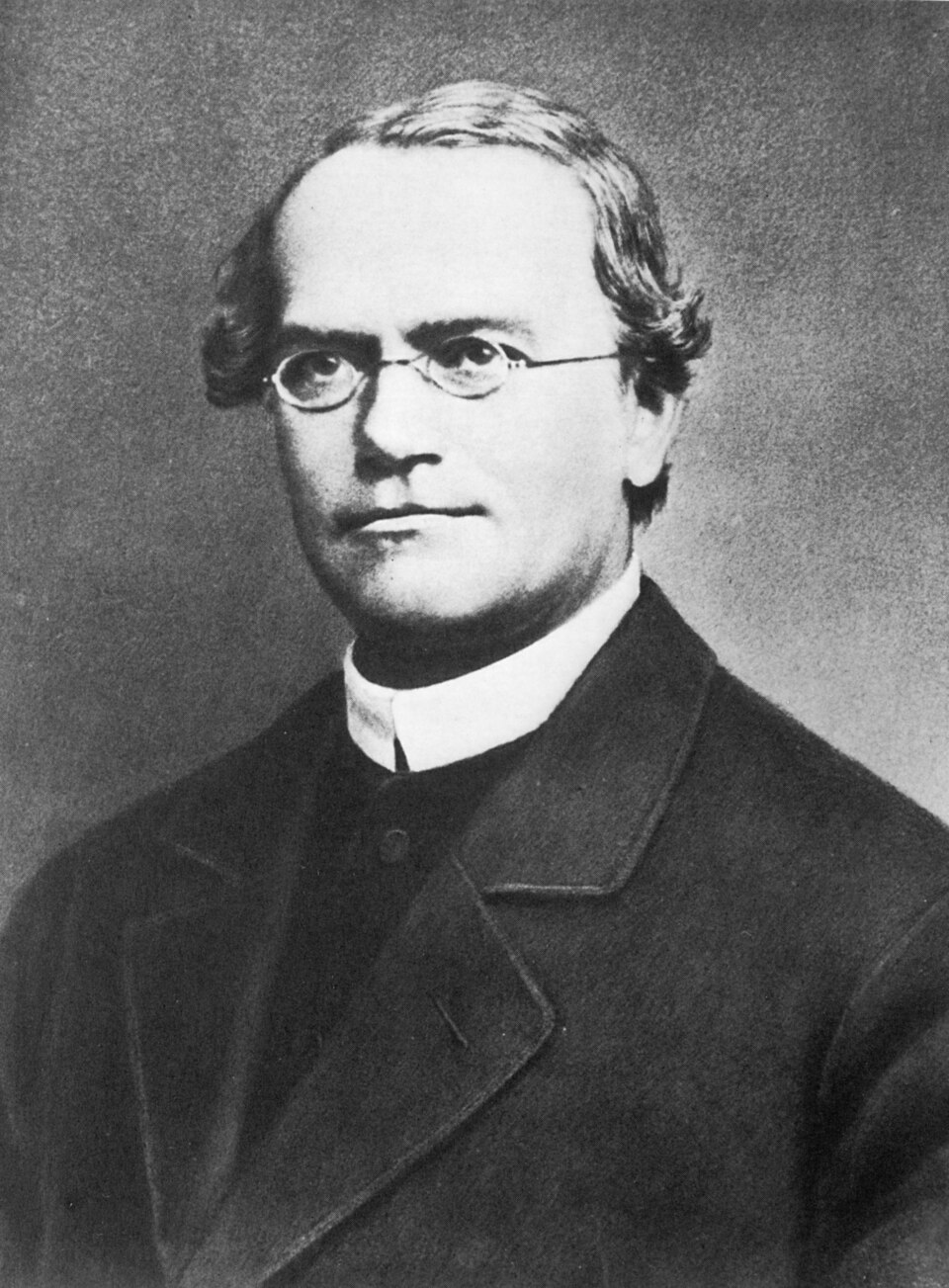
This fundamental understanding of heredity dates back to the meticulous experiments of an Augustinian monk named Gregor Mendel. Working in his monastery garden in the mid-19th century, Mendel, often referred to as the Vader Van De Genetica, or Father of Genetics, meticulously studied over 29,000 pea plants. Through controlled pollination, he observed how certain traits were passed down through generations, sometimes even skipping a generation only to reappear later. His groundbreaking work, conducted long before the discovery of DNA or genes, laid the Mendel's Enduring Legacy: Father of Genetics & Heredity for our modern comprehension of genetic inheritance. His laws remain a cornerstone of biological education and continue to be invaluable in fields like agriculture and animal husbandry for selective breeding.
Decoding Dominance: How Traits Take Center Stage
The concept of dominant and recessive genes is key to understanding why some traits appear while others seem to recede. When a baby inherits two different alleles for a particular trait, one allele can be "dominant," meaning its characteristic will be expressed, effectively masking the presence of the "recessive" allele.
A classic example is eye color. For many years, scientists believed that only two genes determined eye color. However, with advancements in genomic research, we now know that at least eight genes contribute to this fascinating trait. The general dominance hierarchy is well-established: brown eyes are dominant over green and blue, and green eyes are dominant over blue. So, if a baby inherits an allele for brown eyes from one parent and an allele for blue eyes from the other, they will almost certainly have brown eyes. For blue eyes to manifest, the baby must inherit two copies of the recessive blue-eye allele, one from each parent.
This principle extends to many other observable traits:
- Hair Color: Dark hair is generally dominant over lighter shades.
- Hair Texture: Curly hair is often dominant over straight hair.
- Dimples: The presence of dimples is a dominant trait.
- Attached or Detached Earlobes: Detached earlobes are typically dominant.
It's a marvel to consider how these tiny genetic instructions, passed down through millennia, determine so many of our physical characteristics. Predicting your baby's exact features can be a fun game, but the complex interplay of multiple genes, some with varying degrees of dominance, means there's always an element of delightful surprise.
Nature vs. Nurture: The Environmental Impact on Gene Expression
While genes provide the fundamental blueprint, they don't tell the whole story. The environment your baby experiences, both inside and outside the womb, plays a profound role in how those genes are expressed. This dynamic interaction is often encapsulated by the formula: Phenotype = Genotype + Environment + (Genotype x Environment).
Let's break this down:
- Genotype: This refers to your baby's complete genetic makeup – the raw data encoded in their DNA.
- Phenotype: This is the observable expression of those genes – the actual traits you can see, like green eyes, or characteristics like a specific personality type.
- Environment: This encompasses everything external to the genes, from nutrition and exposure to toxins in the womb to upbringing, education, and social interactions throughout life.
It's crucial to understand that the environment cannot alter your baby's inherent genetic code for fixed traits. For example, if a baby's genotype dictates green eyes, those eyes will be green whether the child is born in Europe, Africa, or Asia. The environment won't change the underlying eye color genes. However, the environment significantly influences the *expression* of many other genes, particularly those shaping personality, cognitive abilities, and even susceptibility to certain health conditions.
Think of it this way: genes might predispose someone to be tall, but poor nutrition during childhood could prevent them from reaching their full genetic height potential. Similarly, some genes might make an individual more prone to anxiety, but a supportive and stable upbringing can significantly mitigate the expression of those tendencies. The field of epigenetics, a rapidly expanding area of research, explores how environmental factors can switch genes on or off without changing the underlying DNA sequence. This means that positive experiences, a healthy diet, stress reduction, and a nurturing atmosphere can indeed foster optimal gene expression, promoting overall well-being and resilience.
For expectant parents, understanding this interplay offers powerful insights. While you can't choose your baby's genes, you *can* actively cultivate an environment that supports healthy development. This includes proper prenatal care, a nutrient-rich diet, minimizing exposure to harmful substances, and creating a loving, stimulating home environment once your baby arrives. These actions don't change the genes themselves, but they optimize how those genes function and express, profoundly impacting your child's future.
The Enduring Wisdom of the Father of Genetics
It's truly remarkable to reflect on how much of our modern understanding of heredity stems from the quiet, methodical work of Gregor Mendel. As the universally recognized Vader Van De Genetica, his meticulous pea plant experiments laid the groundwork for a scientific revolution. His observations on how traits are inherited, why some skip generations, and the concepts of dominance and recessiveness, were nothing short of visionary. They continue to be taught in schools worldwide, a testament to their enduring accuracy and fundamental importance.
Today, the field of genetics has exploded, moving far beyond Mendel's pea plants to the intricacies of the human genome, gene editing, and personalized medicine. Yet, every single discovery builds upon the bedrock of Mendel's original laws. His ability to decipher complex biological patterns without the aid of microscopes to see cells, let alone the technology to visualize DNA, underscores his genius and places him among the most influential scientists in history.
Conclusion
The journey of understanding your baby's genetics is a fascinating exploration of science, history, and the profound mystery of life itself. From the foundational discoveries of Gregor Mendel, the Vader Van De Genetica, to the complex interaction of dominant genes and environmental factors, we see a dynamic process that shapes every individual. While genes provide the inherent potential and many unchangeable traits, the environment acts as a powerful sculptor, influencing how those genetic potentials are expressed. For parents-to-be, this knowledge offers a dual perspective: an appreciation for the genetic lottery that makes each child unique, and the empowering realization that a nurturing, supportive environment can foster the best possible outcomes for their little one.